Everleigh Hypnosis | Dayton, Ohio
Can Hypnosis Help with Sleep or Insomnia in Dayton?
Everleigh HypnosisPublished August 17, 2026
Hypnosis may help some people practice relaxation, bedtime routines, and calmer pre-sleep focus, but insomnia can have medical, medication, mental health, or sleep-disorder causes that need licensed care.
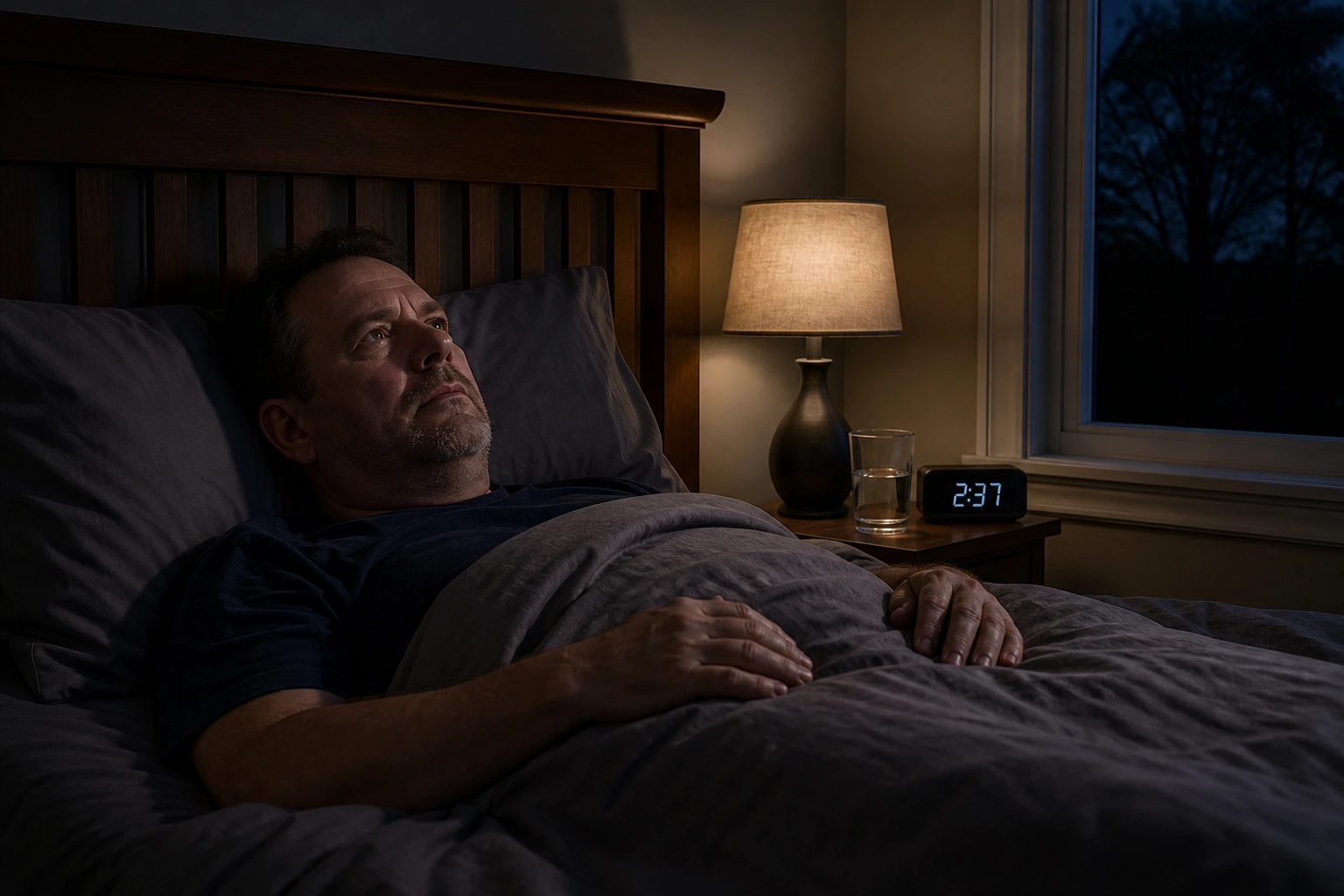
Sleep questions often come from exhausted individuals in the Dayton area and across the country who are tired of tossing and turning, staring at the clock at 3:00 AM, and waking up depleted. If you have found yourself searching whether clinical hypnosis can help with sleep difficulties or chronic insomnia, you want a straightforward, evidence-based answer rather than empty promises or mystical claims.
With over 27+ years of experience in clinical hypnosis (also frequently called hypnotherapy), our practice works with clients throughout the greater Dayton region from our office in Huber Heights 45424, as well as clients nationwide through our active US virtual service area. The direct clinical answer is that hypnosis can be an exceptionally effective, non-pharmacological tool for retraining bedtime habits, soothing nervous system hyper-arousal, and resolving pre-sleep cognitive loops. However, because sleep disruption can also stem from underlying medical disorders, identifying whether your challenge is behavioral or medical is the essential first step.
Understanding Why Sleep Disruption Happens: Habits vs. Medical Causes
When individuals struggle with sleep, they typically experience one or more common patterns: difficulty falling asleep due to a racing mind, waking up repeatedly throughout the night and struggling to drift back to sleep, waking up hours before the alarm, or experiencing conditioned bedtime anxiety where the mere thought of going to bed triggers frustration and dread.
In many cases, poor sleep begins as an acute reaction to a stressful life event—such as a job transition, relationship strain, or health scare. Even after the initial stressor resolves, the brain can form an accidental conditioned association: the bed becomes associated with alertness, frustration, and worry rather than rest and recovery. This conditioned insomnia is precisely where clinical hypnotherapy excels.
The brain is an extraordinary pattern-recognition organ. When you spend weeks or months lying in bed feeling agitated, calculating how few hours of sleep remain, your subconscious mind begins to anticipate that battle as bedtime approaches. Hypnotherapy provides a structured, gentle protocol to reset that conditioned expectation, allowing your bedroom to return to its rightful status as a peaceful haven for natural, restorative sleep.
| Sleep Pattern / Symptom | Primary Contributing Factor | Recommended Clinical Pathway |
|---|---|---|
| Pre-Bedtime Racing Thoughts | Cognitive rumination, mental rehearsal of worries, sympathetic nervous system arousal. | Clinical Hypnotherapy & Autogenic Calming |
| Conditioned Bedroom Frustration | Subconscious association between bed and wakeful agitation or performance pressure. | Hypnotic Somatic Reframing & Stimulus Control |
| Mid-Night Waking Anxiety | Adrenaline spikes upon waking, anticipatory clock-checking calculations. | Anchored Relaxation & Mindful Re-Entry |
| Loud Snoring, Choking, or Gasps | Airway obstruction, anatomical sleep apnea, oxygen desaturation. | Physician Evaluation & Polysomnography (Sleep Study) |
| Severe Restless Legs or Tremors | Neurological dopamine regulation, iron deficiency, or peripheral nerve irritation. | Medical / Neurological Workup & Primary Care |
| Everleigh Hypnosis937-777-9293 | ||
Is This a Sleep Habit or a Medical Sleep Concern?

This is the vital distinction that most generic online resources fail to explain clearly. Clinical hypnosis is an effective, evidence-based modality when sleep disruption is driven by learned cognitive patterns, hyper-vigilance, emotional stress, or irregular behavioral routines. It works directly with your subconscious mind to restore natural parasympathetic relaxation reflexes.
However, hypnotherapy is not a substitute for medical diagnosis or clinical treatment when physiological sleep disorders are present. A thorough medical evaluation by a licensed physician or sleep specialist is crucial if you experience any of the following symptoms:
- Chronic loud snoring, witnessed breathing pauses, or waking up gasping for air (classic indicators of obstructive sleep apnea).
- Severe, uncontrollable daytime sleepiness where you fall asleep unexpectedly during driving or routine daytime tasks.
- Uncomfortable crawling or creeping sensations in the legs that create an irresistible urge to move them (restless legs syndrome).
- Sleep disruption secondary to unmanaged chronic physical pain, gastroesophageal reflux, or neurological conditions.
- Insomnia caused by medication side effects, withdrawal, or substance use.
- Sleep disturbances tied to severe clinical depression, active psychiatric crisis, or unmanaged post-traumatic stress.
For clients in Dayton, Huber Heights 45424, Kettering, Beavercreek, Centerville, and nationwide, understanding this boundary ensures that you receive the safest, most comprehensive care. When medical conditions like sleep apnea or CPAP compliance are present, we can collaborate with your physician upon medical referral to support comfort and routine adaptation.
How Clinical Hypnosis Restores Natural Sleep Reflexes
Sleep is a biological reflex governed by the parasympathetic nervous system. When you try to 'force' yourself to sleep using conscious willpower, you inadvertently trigger the opposite reaction: performance anxiety increases, releasing cortisol and epinephrine, which elevates your heart rate and keeps your brain in high-frequency beta waves.
During clinical hypnosis, we guide you into a state of focused, effortless mental absorption and profound muscular ease. In this receptive alpha and theta brainwave state, we help you decouple the bedroom environment from feelings of frustration, installing gentle subconscious suggestions that allow your body to surrender to its natural sleep cycle.
We train you in somatic anchoring and autogenic self-regulation techniques. When you lie down at night, you simply activate your personalized relaxation anchor—such as a slow diaphragmatic breath or a gentle mental focal point—signaling your vagus nerve to slow your pulse, lower your blood pressure, and ease you smoothly across the threshold into restorative sleep.
Bedtime Habit Examples
In our 27+ years of clinical practice, we have observed that lasting sleep transformation relies on pairing subconscious hypnotherapeutic conditioning with consistent, sleep-supportive behavioral habits. Here are foundational bedtime habit examples that we help clients integrate into their nightly routine:
- The Digital Sunset Buffer: Disconnecting from high-stimulation smartphones, work emails, and blue-light screens 60 to 90 minutes before sleep to allow your brain's natural melatonin production to rise.
- Bedroom Stimulus Control: Reserving your bed exclusively for sleep and intimacy. If you find yourself awake and agitated for more than 20 minutes, getting out of bed to sit in a dim, quiet room with a calming book until drowsiness naturally returns.
- Cognitive Brain-Dumping: Keeping a physical journal outside the bed to jot down unresolved tasks or looping thoughts before turning off the lights, transferring active cognitive burdens onto paper.
- Progressive Somatic Unwinding: Practicing sequential muscle relaxation—releasing micro-tension in the jaw, neck, shoulders, and abdomen—to deactivate chronic stress holding patterns.
- Anchored Sleep Imagery: Mentally stepping into a custom hypnotic sanctuary (such as a tranquil cabin, peaceful beach, or warm quiet library) that triggers instantaneous alpha wave slowing.
When these practical sleep hygiene habits are reinforced during clinical hypnosis, they cease to feel like tedious rules or chores. Instead, your subconscious mind embraces them as a deeply welcoming, automatic evening ritual that prepares your entire body for deep, uninterrupted rest.
Many clients find that creating a tactile anchor—such as holding a warm cup of herbal tea while listening to their custom hypnosis audio reinforcement—creates an unmistakable physiological cue that the working day is over and the body is safe to power down.
Sleep Questions to Make Clear Before Scheduling

Before booking a hypnotherapy session, taking a few moments to clarify your sleep history makes your initial consultation significantly more productive. Bring clear notes regarding your patterns:
- Is your primary difficulty falling asleep at the beginning of the night, waking up repeatedly, or waking too early in the morning?
- How many weeks, months, or years has this sleep challenge been present?
- Are there lifestyle factors involved, such as late-day caffeine, alcohol consumption, shift work, or evening screen use?
- Have you undergone a medical evaluation to rule out sleep apnea, restless legs, or thyroid imbalances?
- Are you taking sleep aids, supplements, or prescription medications that require coordinated physician communication?
Having these answers organized allows us to tailor our hypnotic protocol to your precise neurology and lifestyle needs, maximizing your results from the very first session.
Insurance, TRICARE, and VA Coverage for Sleep Hypnotherapy

Many Dayton residents, Wright-Patterson Air Force Base personnel, and families across the Miami Valley inquire whether hypnotherapy for sleep or insomnia is covered by health insurance, TRICARE, or the Veterans Health Administration (VA).
The accurate answer is that coverage depends entirely on your specific insurance provider, benefits tier, and medical necessity. Most commercial health insurance carriers treat hypnotherapy as an out-of-network elective wellness modality unless prescribed by a licensed physician as part of a formal treatment plan for diagnosed chronic insomnia or pain-related sleep disorders.
While our practice does not bill insurance companies directly, we provide comprehensive itemized superbills upon request with procedural codes for potential insurance, HSA (Health Savings Account), or FSA (Flexible Spending Account) reimbursement. For active-duty military, reservists, and veterans, TRICARE and the VA may authorize hypnotherapy services when prescribed and pre-authorized by a primary military treatment facility doctor or VA medical coordinator.
Ethical Standards: Why We Never Make Magic Cures or Guarantees
Any hypnotherapy practitioner who guarantees 'instant cure for insomnia in one session' or promises '100% sleep transformation guaranteed' is engaging in unethical marketing. Human sleep regulation is a delicate physiological and psychological interplay.
In our 27+ years of clinical hypnosis practice, we maintain rigorous ethical standards. We never offer guarantees because sustainable sleep restoration requires active partnership, consistency with bedtime routines, and genuine participation. What we offer is a proven, evidence-informed methodology, personalized hypnotic audio reinforcement, and compassionate guidance to help you reclaim calm, natural rest.
How do I know whether this fits my Dayton-area needs?
Determining whether clinical hypnosis is the right solution for your sleep difficulties comes down to assessing your symptoms, your health background, and your personal goals. Clinical hypnosis is an exceptional fit if your primary barriers are stress-related racing thoughts, bedtime hyper-arousal, irregular habits, or performance anxiety surrounding sleep.
If you live in Dayton, Huber Heights 45424, Kettering, Beavercreek, Centerville, Oakwood, Vandalia, Englewood, Fairborn, or anywhere in the Miami Valley, you can visit our comfortable, private office for in-person care. If you prefer the convenience of home or reside elsewhere in Ohio or across the country, our secure US virtual service area provides identical clinical effectiveness via interactive telehealth.
For minor or adolescent clients struggling with school-related sleep anxiety or bedtime restlessness, our practice strictly requires documented written parental or legal guardian consent and active guardian participation during the intake process.
If you are ready to explore how clinical hypnosis can help you quiet your mind and enjoy deep, restorative sleep night after night, call our office today at 937-777-9293. We are happy to speak with you directly, answer your questions, and help you take the next step toward restful nights.
Common Questions
Can clinical hypnosis cure severe insomnia?
No. Ethical practitioners do not claim to cure insomnia or offer instant guarantees. Clinical hypnosis is an evidence-based modality that helps you retrain bedtime habits, calm autonomic nervous system arousal, and reframe anxious thought patterns that interfere with sleep.
When should sleep problems be evaluated by a medical doctor or sleep clinic?
Persistent insomnia accompanied by loud snoring, breathing pauses, choking sensations, severe daytime sleepiness, chronic pain, or restless legs should be evaluated by a licensed physician or sleep specialist to rule out medical conditions like sleep apnea.
What specific sleep habits does clinical hypnotherapy address?
Hypnotherapy focuses on calming pre-sleep cognitive rumination, releasing tension in the body, eliminating conditioned bedroom frustration, establishing consistent wind-down routines, and mentally rehearsing a smooth, effortless transition to sleep.
Is sleep hypnotherapy covered by health insurance, TRICARE, or the VA?
Coverage depends on your specific insurance provider, policy details, and medical necessity. While we do not bill insurance directly, we provide itemized superbills for potential out-of-network reimbursement. For military families and veterans, TRICARE and the VA may authorize coverage with prior physician referral.
Do you offer in-person sleep hypnosis in Dayton as well as virtual appointments?
Yes. We offer in-person appointments at our Huber Heights 45424 office serving Dayton and the Miami Valley, as well as secure virtual telehealth sessions across our active US virtual service area nationwide.
How many sessions are typically required to improve sleep habits?
Most clients notice significant improvements in bedtime relaxation and sleep onset within 3 to 6 structured sessions, reinforced by personalized nightly audio practices.
Can teenagers or adolescents receive sleep hypnotherapy?
Yes. Adolescents dealing with academic stress, athletic schedule pressures, or bedtime overthinking can benefit greatly. Our practice strictly requires written parental or legal guardian consent.